


You’ve seen it. All dashboards are green. CPU is normal. Interfaces are below 60%. Latency looks clean. And yet something feels wrong. Applications are slow. Users are complaining. Failover didn’t…

Today's networks evolve so quickly that traditional change windows can't keep up. Relying manual configuration means extra costs in terms of outages, inconsistencies, and wasted engineering hours—a "manual tax." By…

Bridging Automation and Accountability in the Modern Network When Automation Meets Regulation Modern networks are rapidly advancing in complexity and capability. Configuration modifications, policy adjustments, and service implementations are increasingly…

Software-Defined Access (SD-Access) represents a fundamental strategy for the advancement of enterprise networks. Through automated policy enforcement, network segmentation, and streamlined operations, organizations are able to construct environments that are…
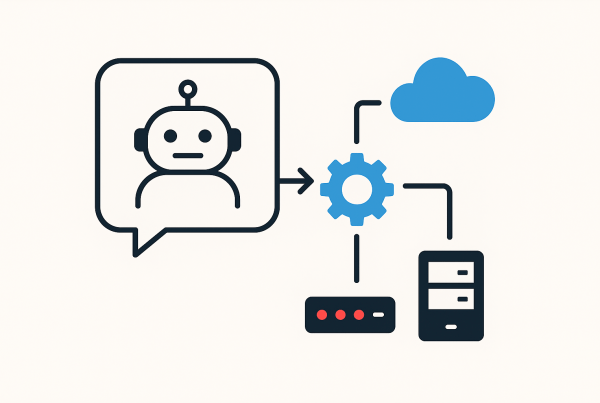
The approach to network management within enterprises is undergoing significant transformation. Historically, operations depended on tickets, emails, and isolated tools—methods that often resulted in delayed responses and fragmented communication. Given…

For decades, manual network configuration has been the norm, but it's time for a change. Logging into each device one by one and relying on luck may be sufficient for…
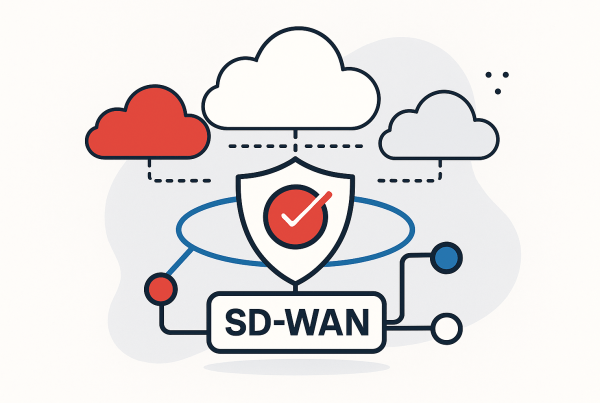
Enterprises today are no longer tied to a single cloud provider. Most rely on a mix of AWS, Azure, Google Cloud, and private cloud platforms to deliver applications to users…

As IT environments grow and hybrid architectures become more common, traditional ways of doing things have a hard time keeping up. This is where Intelligent Automation (IA) comes in. It's…
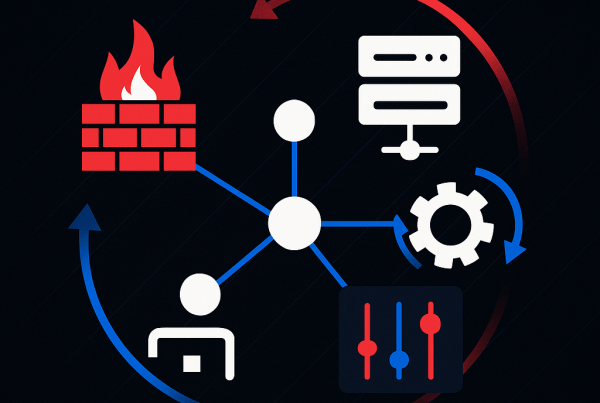
Network automation is now a fundamental component of modern IT operations, not just a trendy term. While much of the conversation tends to center around SDN controllers or cloud-native orchestration,…

Network automation has become essential as networks expand and grow in complexity. Automating processes effectively can provide a strategic benefit. However, the process of automation varies among organizations. Typically, organizations…
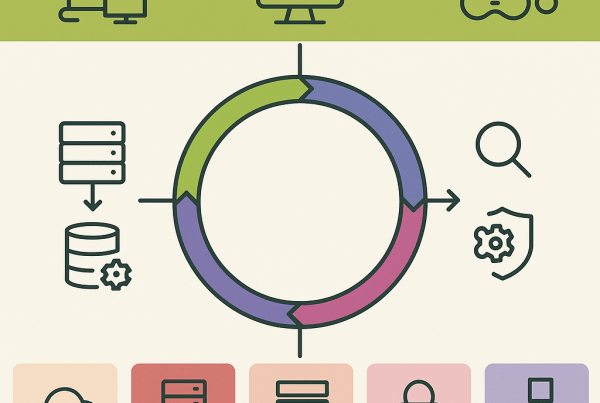
In contemporary business environments, networks are no longer isolated systems; they are integral to the operation, scaling, and innovation of businesses. As the demands from users, applications, and platforms increase,…

Nowadays, it is highly important for network operators to monitor and control the performance of their devices in real-time. In the past, SNMP (Simple Network Management Protocol) has been the…
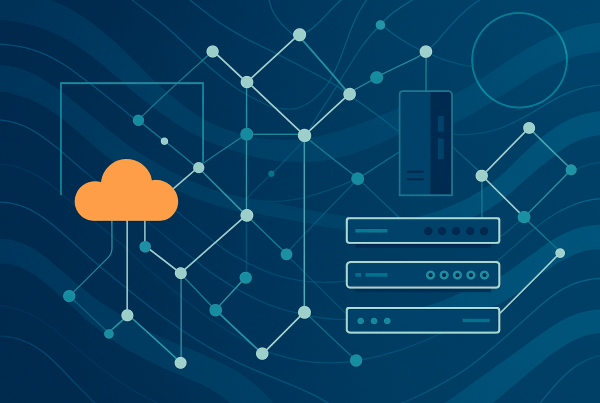
Every modern IT system is built on a robust network design, which supports everything from data centers and enterprise apps to cloud services. Still, what distinguishes a fantastic network design…
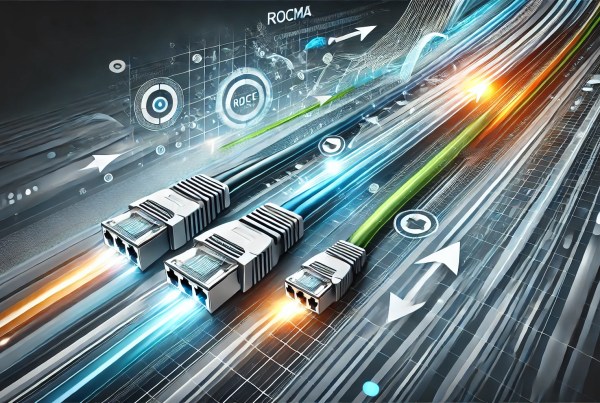
Ethernet has long been the recommended standard in the field of high-speed networking for connecting servers, data centers, and other devices. But as demand for faster data rates and more…
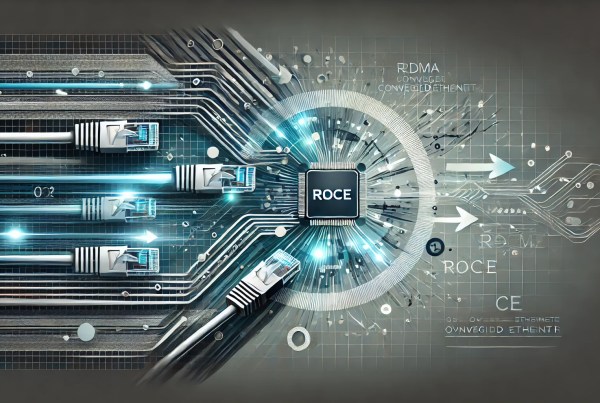
Remote Direct Memory Access (RDMA) is becoming a game-changing technology as data centers change and applications call for lower latency and more throughput. Of the several RDMA systems, RoCE (RDMA…

For decades, network managers and engineers have turned to the command-line interface (CLI) more frequently. The CLI has given unrivaled control and accuracy whether setting devices, fixing problems, or automating…

AI Is Reshaping Network Operations — Are You Ready for the Shift? Conventional network management is running into limits. Given expanding data volumes, hybrid infrastructure, and soaring complexity, reactive approaches…

Built on the idea of a robust perimeter, the conventional network security architecture is inadequate in today's digital scene. A safe network has been blurring with cloud computing, remote work,…

Modern networks are difficult to manage. Traditional approaches, such as spreadsheets and disjointed tools, cannot deliver the precision, consistency, and dependability required for efficient operations as businesses grow their infrastructure.…
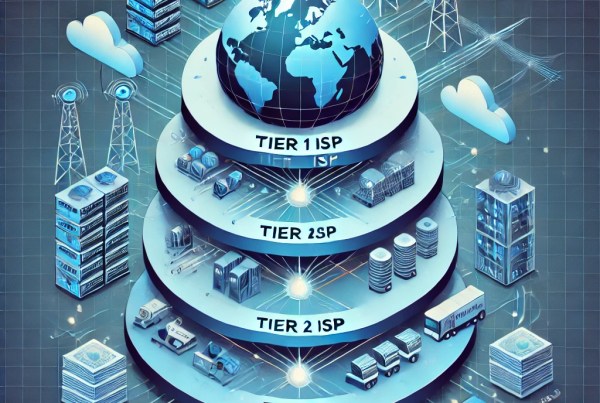
With its extensive network of connections, the Internet facilitates seamless communication among billions of devices. However, have you ever considered the architecture of this network? The hierarchical structure of Internet…